
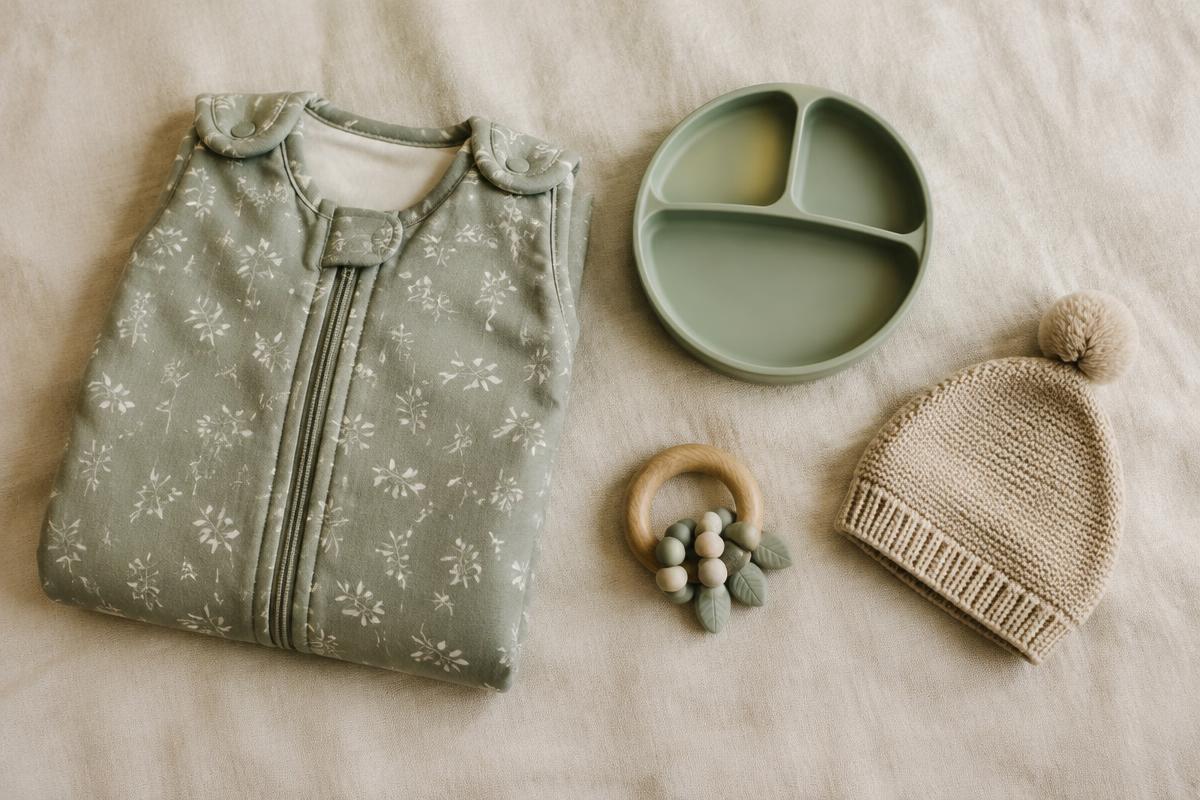
How to Choose Baby Products for Every Stage of Development
Buying guides · Calibou ·
A simple way to evaluate any baby product by your little one’s stage, its intended use and official safety guidance.
Start with your baby’s needs, not a checklist
Needs change quickly in the early years. Instead of buying everything ahead of time, ask what your baby is doing now and what’s coming soon. The tips in this section and the next two are general shopping pointers, not medical advice: for questions about your child’s development, talk to a health professional.
The first months
The focus is mostly on sleep, diaper changes, bath time and outings. A few well-chosen items beat a full drawer.
When baby explores and starts solids
Play items and baby-friendly tableware come into the picture. Things often end up in little mouths, so look for items that are easy to clean and have no small parts.
Once baby is on the move
A child who rolls, crawls or walks can reach new things. It’s a good time to rethink your home setup and how toys are stored.
Be clear about the intended use
Every product is designed for a specific use. A play, carrying or feeding product isn’t a sleep product, even if your baby dozes off in it. Read the description and use each item only for its intended purpose.
Check age, size and manufacturer instructions
Before you buy, check the recommended age, dimensions, any weight limit and care instructions. On Calibou, this information appears on each product page when it’s provided. Keep the packaging and instructions, and always follow the manufacturer’s guidance.
What Health Canada recommends
This section summarizes official guidance. See the sources at the end of this guide for full details.
For sleep
Health Canada recommends placing your baby on their back for every sleep, alone in a crib, cradle or bassinet that meets current Canadian safety regulations, on a firm, flat mattress with a tightly fitted sheet. The sleep space should be free of soft items such as blankets, pillows, bumper pads, sleep positioners and stuffed toys.
For play
Health Canada advises choosing toys suited to the child’s age, watching for small parts that pose a choking hazard, and checking toys regularly so broken ones can be removed.
For car seats
In Canada, car seats fall under Transport Canada and must carry the National Safety Mark. Calibou doesn’t sell car seats, so check official sources before choosing one.
Check for product recalls
The Government of Canada’s Recalls and safety alerts website lets you search for a product by name or category. It’s especially helpful for gifts and second-hand items, since Canadian requirements apply to new and used products alike.
Think about everyday life
A good product is also one you’ll actually use. Is it easy to wash? Does it take up much space? Is it easy to bring along? Does it suit your home and routine? These simple questions help avoid unnecessary purchases.
Browse the Baby sectionKeep reading
For choosing a toy specifically, see our dedicated baby toy guide.
How to choose the right toy for your babyOfficial sources
Read next
Baby tips
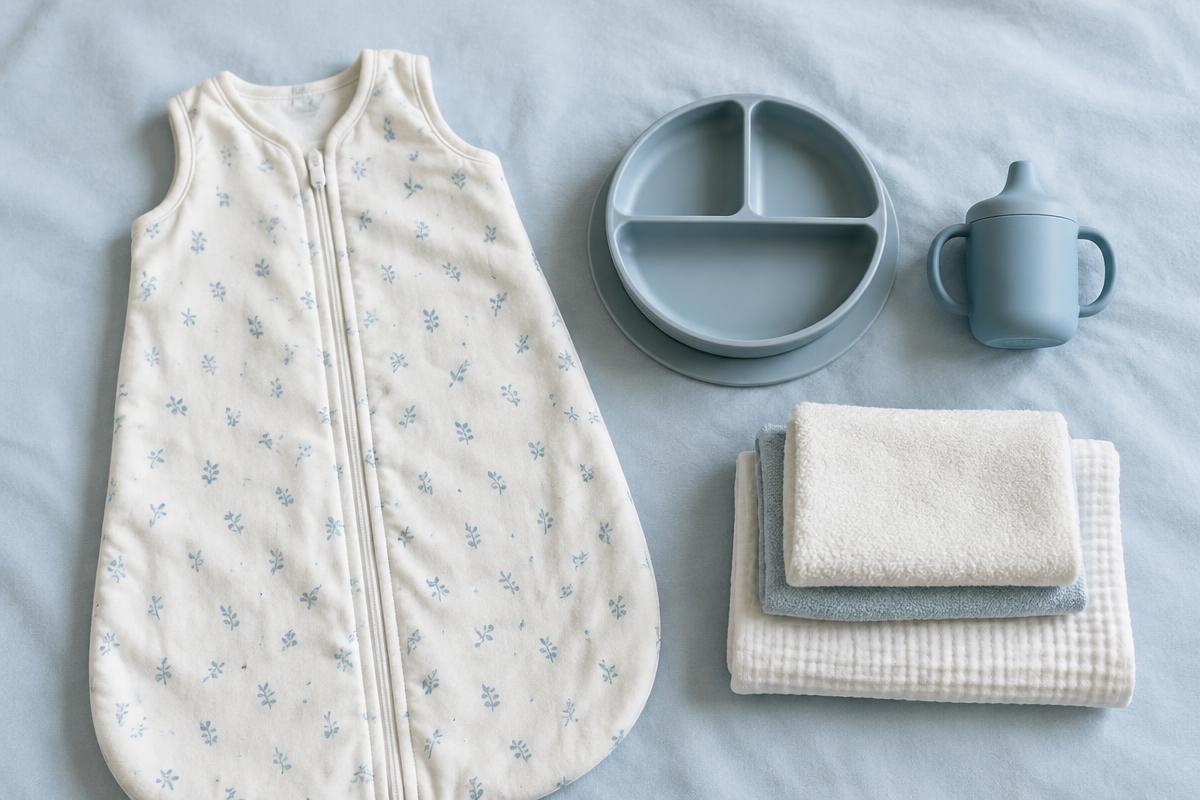
Which baby accessories are truly useful?
The essentials for the first months, without the clutter.
Buying guides
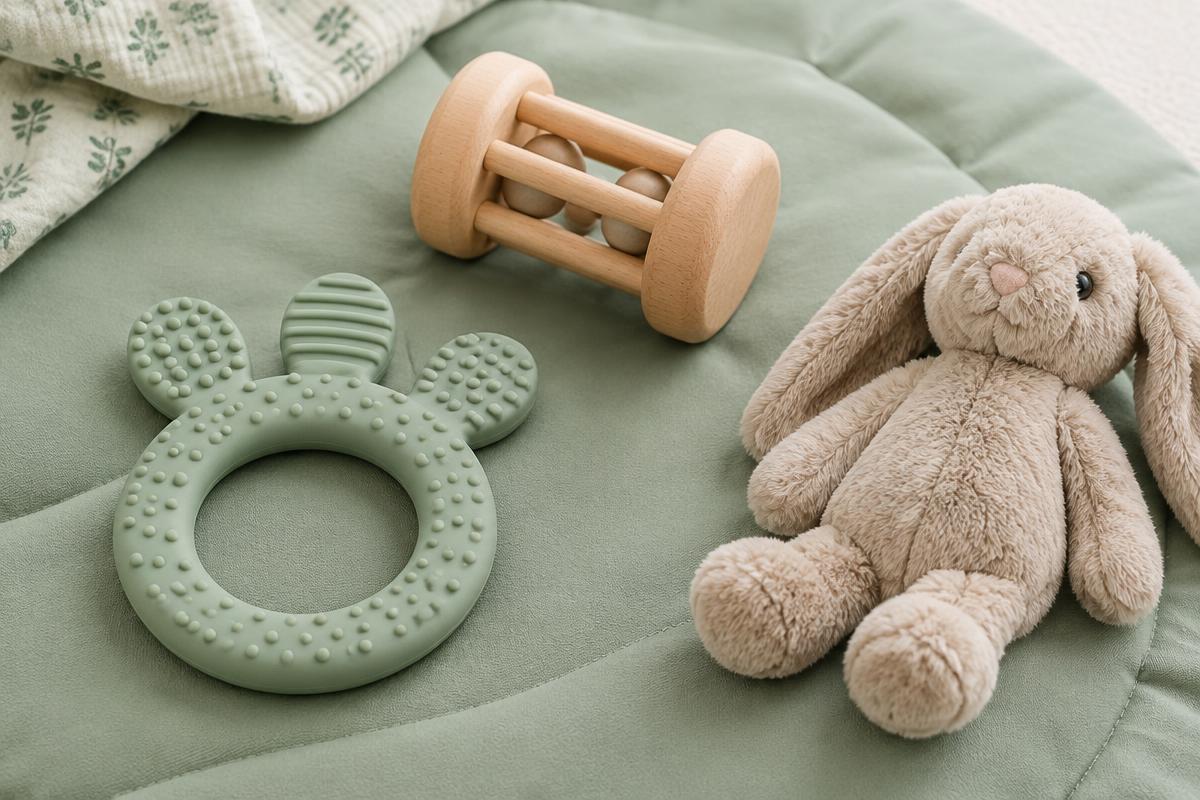
How to choose the right toy for your baby
Age, materials and safety: the questions to ask.
Baby tips
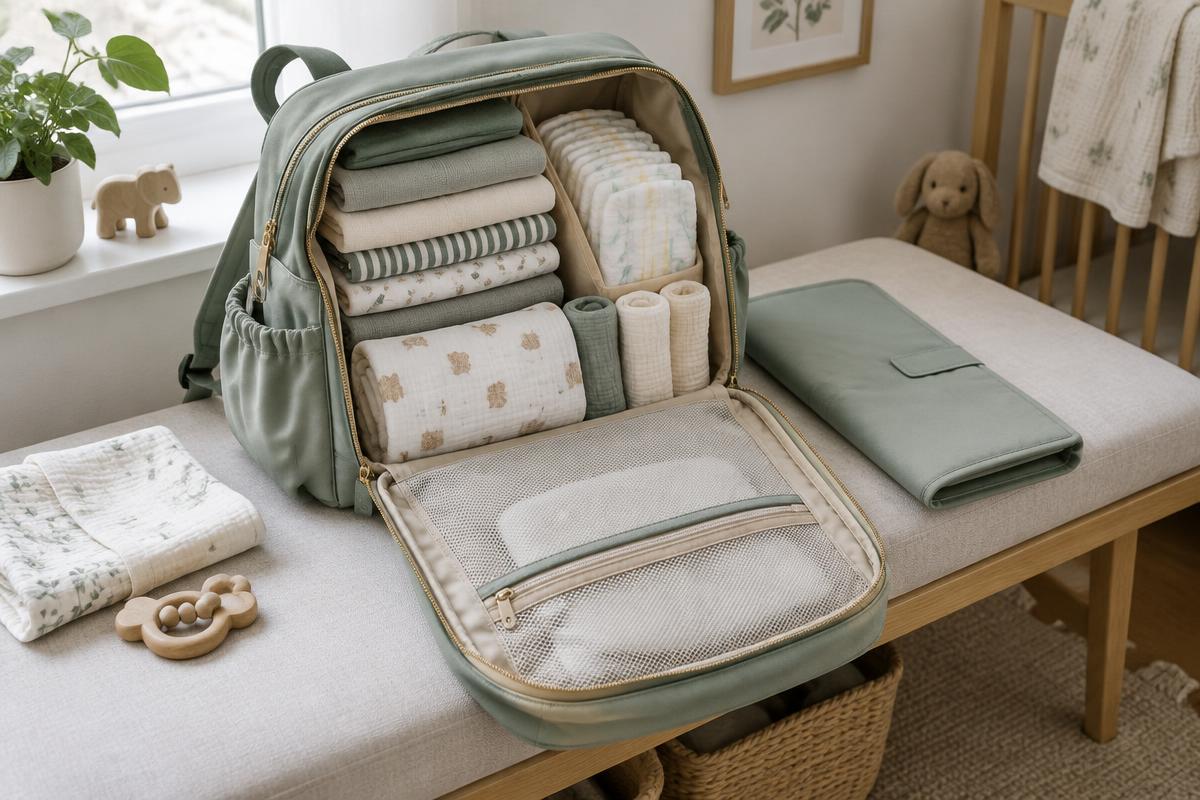
Essential products guide for new parents
What truly makes life easier when baby arrives.